







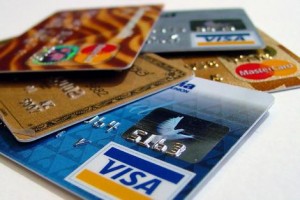
 The European Commission (EC) has launched an antitrust probe into e-payments in Europe. The commission will examine a group of companies including Santander, HSBC and Barclays to determine whether or not a monopoly is at hand, and if they’re trying to stop new players from getting into the market.
The E-payments market is currently restricted to the European Payments Council (EPC), a self-regulation body covering 74 members including the major European banks.
“Excluding competitors in the online payments market could result in higher prices for web merchants and ultimately consumers,” said EC’s VP Joaquín Almunia. “In principle, standards promote inter-operability and competition, but we need to ensure that the standardization process does not unnecessarily restrict opportunities for non-participants.”
The topmost concerns for the EC investigators is that consumers and business could be limited in their online transaction options if competitors are kept out of the game.
“Use of the internet is increasing rapidly, making the need for secure and efficient online payment solutions in the whole Single Euro Payments Area all the more pressing. I therefore welcome the work of the European Payments Council to develop standards in this area,” said Joaquín Almunia.
And it’s a growing concern across the globe. Consumers are more worried about the security features implemented by banks to completely protect against fraudsters when conducting banking activities. According to a report from Cobone, nearly 43 percent of online users in the Middle East have raised concerns on online payment systems when buying products online. Unsuitable payment options, lack of local online retailers and poor website design are some other factors for avoiding Internet commerce, the report says.
As far as security and consumer comfort goes, e-payments are heading towards worldwide adoption, thanks in part to mobile development, only extending opportunities for banks to roll out a monopoly in an entirely new landscape. According to a recent report by Juniper Research, the world will spend $50 billion in payments and transactions through mobile phones within the next three years, with Near Field Communication (NFC) technology a primary protocol for these transactions. Google Wallet is one such service that will make use of mobile phones to pay for services and products instead of credit cards. They already have the support of both banks and carriers for their electronic payment solution.
The standardization of e-payments is a welcome step to encourage the creation of an integrated payments system. This will not only bring a consistency to online payments but also eliminate the risk of online fraud and control of some of the industry’s established players for the benefit of consumers.
Support our mission to keep content open and free by engaging with theCUBE community. Join theCUBE’s Alumni Trust Network, where technology leaders connect, share intelligence and create opportunities.
Founded by tech visionaries John Furrier and Dave Vellante, SiliconANGLE Media has built a dynamic ecosystem of industry-leading digital media brands that reach 15+ million elite tech professionals. Our new proprietary theCUBE AI Video Cloud is breaking ground in audience interaction, leveraging theCUBEai.com neural network to help technology companies make data-driven decisions and stay at the forefront of industry conversations.




