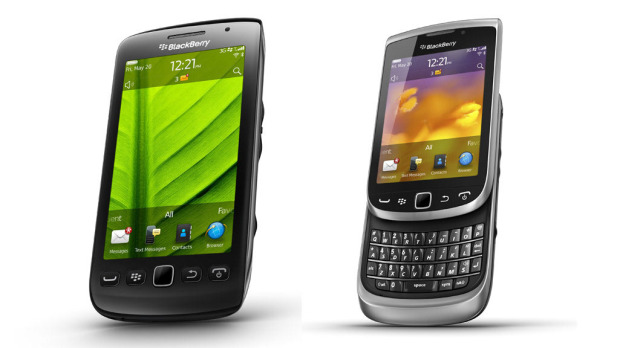







 Reuters is reporting that Amazon.com courted BlackBerry maker RIM for a possible acquisition, but the deal fell apart due to lack of interest on RIM’s part. And it’s not just Amazon.com that got the cold shoulder – apparently Microsoft and Nokia considered a joint take over as well.
I’m not going to say that RIM should have allowed itself to be acquired by Amazon.com. RIM is in a bad spot at the moment, but the game’s far from over. I’ve made the case before that RIM has pivoted before and could do it again. And more recently I’ve argued that the real money in mobile isn’t in handsets and operating systems, but in the cloud services those devices connect to. So maybe RIM is poised for a come back. But I can’t help but think about what could have been – especially considering the opportunities RIM has on the cloud side.
Think about it: Amazon Web Services and RIM’s various enterprise services, together. Imagine a cross-device BlackBerry Enterprise Server and BlackBerry Messenger services as part of Amazon Web Services. The BES was the original enterprise cloud service, and AWS is now practically synonymous with cloud services. It seems like an unbeatable combination.
And although the Fire is clearly targeted at consumers, at least for now, think about what RIM’s enterprise sales force could have done with that product, especially if it was an Android device with BlackBerry security and messaging baked in. It could have been the ultimate business multimedia tablet.
Or then again, maybe it would have been a disaster. Maybe the cultures would have been incompatible, or maybe CIOs would have balked at Amazon.com branded business tablets. But something tells me it’s not too late. If RIM’s fortunes keep dwindling, maybe it will crawl sheepishly back to Amazon.com. And maybe, just maybe, Amazon.com will take ’em back.
Support our mission to keep content open and free by engaging with theCUBE community. Join theCUBE’s Alumni Trust Network, where technology leaders connect, share intelligence and create opportunities.
Founded by tech visionaries John Furrier and Dave Vellante, SiliconANGLE Media has built a dynamic ecosystem of industry-leading digital media brands that reach 15+ million elite tech professionals. Our new proprietary theCUBE AI Video Cloud is breaking ground in audience interaction, leveraging theCUBEai.com neural network to help technology companies make data-driven decisions and stay at the forefront of industry conversations.





