






I think there are lessons for the enterprise in stories like the one I discovered on DZone about a 17-year-old lamenting about his rival who just received $1.1 million in funding and a feature on TechCrunch. In particular, it shows the new economy young people will create as they fill the middle with minimally viable services that compete with products that are no longer relevant in a post-PC society.
By any measure, 17-year-old Patrick Socha is immensely talented. He’s the co-founder of Propelly, a stealth startup out of London. He gets credit for doing dev work on RiotCleanup.uk, the crowdsourced coordinated cleanup that rose up during last year’s London riots.
His rival is 19-year-old Sahil Lavingia of San Francisco and the founder of Gumroad. Lavingia is a college dropout (trend), and has already worked on the founding team at Pinterest and is the developer behind Turntable.fm. Gumroad allows people to sell their creative works through links. You set the price. Propelly will offer a similar type of service when it launches, supposedly within the next several days.
Socha, though, is frustrated. He began working on Propelly six months ago. And now, here he is, before Propelly’s launch, seeing Lavingia get $1.1 million in funding for Gumroad and a feature on TechCrunch.
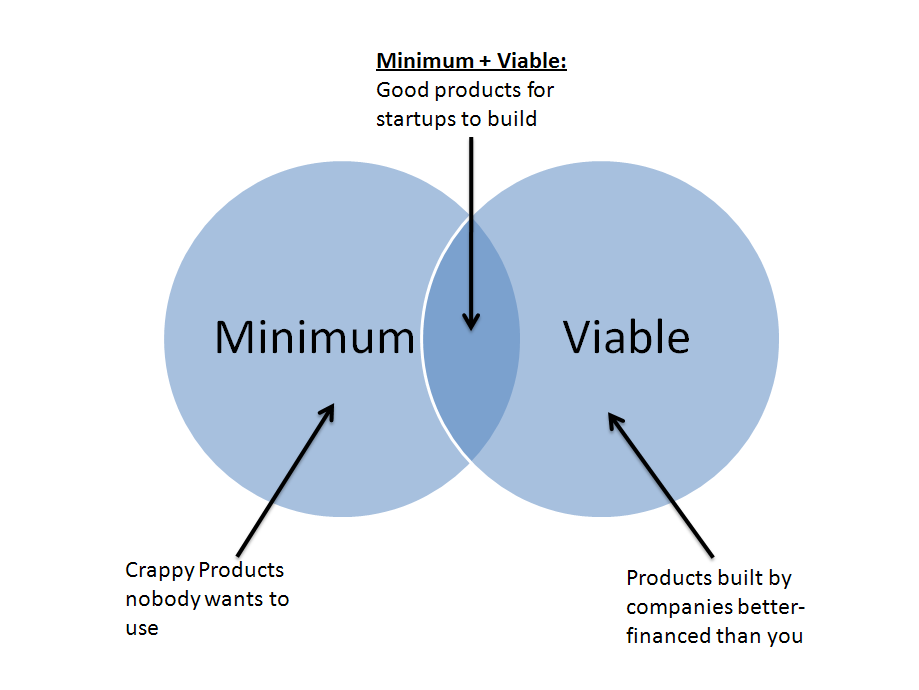
In his post, Socha credits Lavingia but also kicks himself for not launching in November. If he had, Socha writes, then his company would have fit just right between the crappy products on the market no one wants to use and the viable ones by better funded companies. It’s this minimally viable product (MVP) approach that is all the vogue in startup circles these days.
Two teenagers innovating with all their energies focused on learning and creating amazing stuff. For these guys, it’s all about the Web, the apps, the social linking and being part of a community. They stand in contrast to enterprise technologies that lack the features and capabilities of services that a new generation of users will expect.
The future is in the middle. Young people, even teenagers like Socha and Lavigna, see the opportunity to fill it pretty effectively.
Support our mission to keep content open and free by engaging with theCUBE community. Join theCUBE’s Alumni Trust Network, where technology leaders connect, share intelligence and create opportunities.
Founded by tech visionaries John Furrier and Dave Vellante, SiliconANGLE Media has built a dynamic ecosystem of industry-leading digital media brands that reach 15+ million elite tech professionals. Our new proprietary theCUBE AI Video Cloud is breaking ground in audience interaction, leveraging theCUBEai.com neural network to help technology companies make data-driven decisions and stay at the forefront of industry conversations.





