







 With the consumer preview of the Windows 8 yesterday, the question of how it stacks up to Apple is inevitable. But Windows 8, unlike Mountain Lion, is also a mobile OS, so instead of comparing it to Mountain Lion, we’ll be comparing it to Apple’s overall platform with a focus on iOS. So here we go.
User Interface
Windows 8:
Metro UI features Tiles, or apps, that gives users a bit of information of what the app is about, so you won’t have to guess what the icon on your screen is about and information gets updated, for things like the weather. You get information with just a quick glance. Tapping on a Tile gives you more information as well access to other features or actions of an app.
iOS:
It’s all about the apps, which you can organize in folders to categorize them so your screen won’t be too cluttered. The apps are labeled but aside from that, it doesn’t provide info at a glance. You need to click on them to open the app and find out what they’re about.
Navigation
 Windows 8: Multi-touch, swiping, pinch-and-zoom, two-finger object rotation, dragging,
iOS: Multi-touch, swiping, pinch-and-zoom, multitasking gestures, drag-and-drop,
Syncing
Windows 8:
Syncing files from various devices needs access to the cloud.
iOS:
Syncing files can be done through a shared Wi-Fi connection or via iCloud. But even without the cloud, changed data on your iOS device can be updated via Wi-Fi connection so apps are automatically synced in iTunes.
Cloud
Windows 8:
SkyDrive is the cloud offering of Microsoft but you can still use other cloud services if you want to. But keep in mind, there are perks in using SkyDrive as it is integrated to Windows 8 and Windows Phone.
iOS:
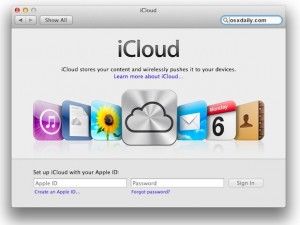
iCloud pushes all your data in all your Apple devices and starts with 5GB of free storage, which can be upgraded for a fee. The great thing about the iCloud is that purchased music, apps, books, and TV shows, as well as your Photo Stream will not take a bite out of your 5GB free storage.
Conclusion
In all, Windows 8 is very focused on unifying the user experience across devices, feeling its way deeper into the mobile realm. The cloud plays a big part in this development, but a smaller app ecosystem will minimize Microsoft’s initial impact on Apple. As far as Apple’s iCloud goes, it’s custom tailored for Apple OS, creating a walled garden all its own. Apple’s ecosystem extends to apps, user-generated content and media, but still suffers from the fact that Apple’s expertise is hardware design. Microsoft still has an advantage on the software side, making this battle more so about execution and consumer appeal.
Support our mission to keep content open and free by engaging with theCUBE community. Join theCUBE’s Alumni Trust Network, where technology leaders connect, share intelligence and create opportunities.
Founded by tech visionaries John Furrier and Dave Vellante, SiliconANGLE Media has built a dynamic ecosystem of industry-leading digital media brands that reach 15+ million elite tech professionals. Our new proprietary theCUBE AI Video Cloud is breaking ground in audience interaction, leveraging theCUBEai.com neural network to help technology companies make data-driven decisions and stay at the forefront of industry conversations.




