R. Danes
Latest from R. Danes
Who’s sorry now? Pointers and plug-ins to break apology habit at work
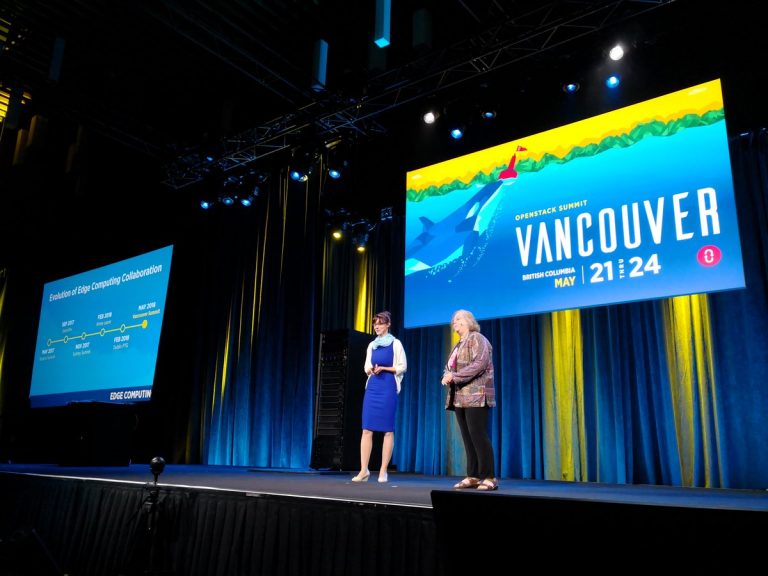
Scroll through old emails, messages and texts to colleagues and supervisors and look for the word sorry. If it comes up quite often, consider whether or not those situations warranted an apology. Any uncalled for use of the word sorry could deflate a professional’s perceived competence, according to Laurel McLay (pictured, right), New Zealand-based career expert. “What we want to ...
LinkedIn ‘algorithmically’ trains programs to train women in tech
Vary inputs, measure outcomes and iterate agilely — is this a formula for training a machine learning algorithm? No, it’s a formula for training the next generation of women in technology, according to Sarah Clatterbuck (pictured, left), senior director of engineering: application infrastructure, women in tech and accessibility at LinkedIn. Clatterbuck has spearheaded a number of women-in-tech training ...
Uncle Sam wants you — to code for a better US and shrink tech skills gap
There is a growing reciprocal relationship between the U.S. government and the tech sector. Seasoned computing pros are lending their skills to public agencies, while the government invests funds to raise the country’s tech IQ and fill the skills shortage. “The government is who shows up to help, and so we need the tech sector ...
Big data is changing machine learning, from nice-to-have to a must-have
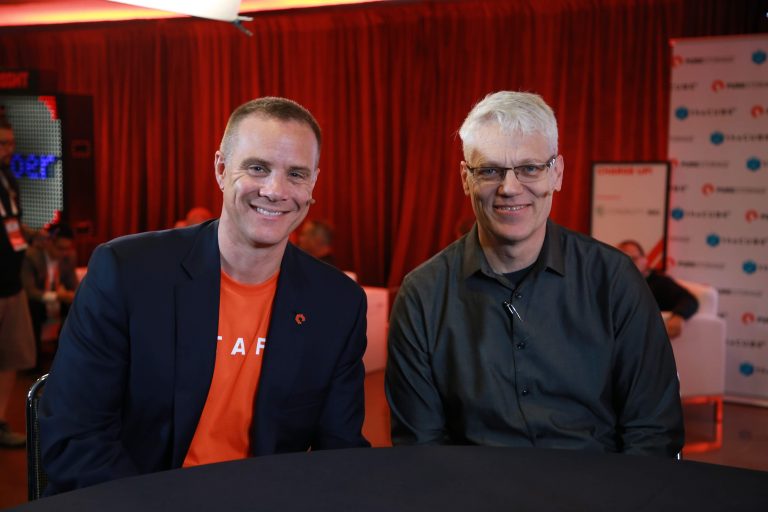
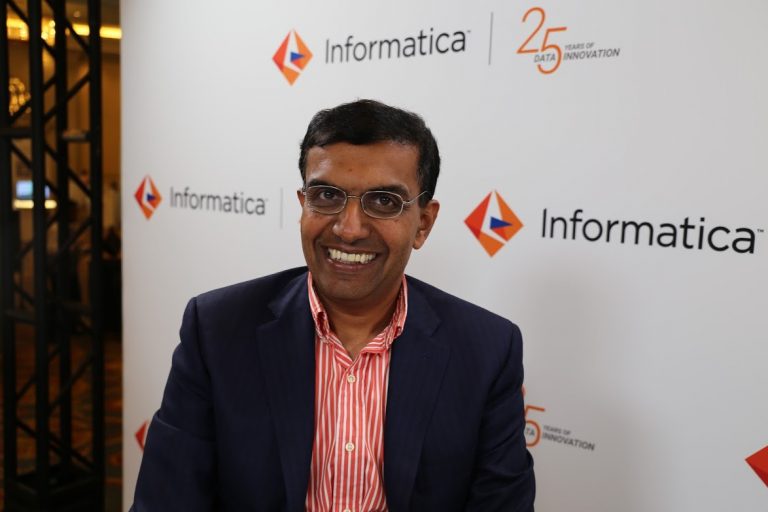
The big data tsunami bears exciting new profit potential; it also brings with it some daunting challenges, thanks to the General Data Protection Regulation’s strict privacy rules, set to be enforced next year. Machine learning is the best weapon businesses have to maximize the bounty of big data and ward off the threats, according to Murthy Mathiprakasam (pictured), ...
Businesses draft women to fill tech skills shortage, says Anita Borg Institute’s Telle Whitney
The tech industry’s skills shortage is sending companies to organizations such as the Anita Borg Institute for Women and Technology in search of ways to find and foster talent. Over the years, the organization has grown into a major force for women in tech, and more and more businesses are taking notice. “What’s been really ...
The magic of big data shamans is made plain with Paxata GUI
Why is there so much data and so many tools to analyze it, yet so little resultant business value? Perhaps because tools are usually in the hands of data experts, while line-of-business laymen might accomplish more with them. “We’ve separated the people who had the tools from the people who knew what they wanted to ...
Anita Borg’s new president bumps cross-curricular tech to head of the class
It may come as a surprise that Brenda Darden Wilkerson (pictured), the new president and chief executive officer of the Anita Borg Institute for Women and Technology, wound up in tech by accident. But, according to Wilkerson, this is a common scenario for women who work in computing. For years, she’s worked to change that through ...
AI’s human element dissected at Grace Hopper women in tech event
The Grace Hopper Celebration of Women in Computing is underway in Orlando, Florida. Besides gender representation in tech, a big topic of discussion is how to drive new artificial intelligence technology across disciplines. “We have these women that are talking about these cool products that they’re making, and different pathways into artificial intelligence and machine ...
What to do when DevOps puts the app cart before the infra horse
Developer operations allow businesses to deploy new software applications faster than ever, which is great — except when the new apps and underlying compute infrastructure fight like rabid dogs. “If you’re developing these applications with DevOps on the front end, and you’re dropping new versions of them in hours rather than quarters, the infrastructure on the ...
Tiny databases and high-speed analytics amp up the IoT edge
“Internet of things” edge devices are playing an increasingly important role in big data analytics. Should internet of things data go back to a centralized cloud for analysis, or should computing power go to the edge? And will the data still be relevant once the process is complete? “You don’t want to be acting on ...